ⓘ Quick Answer
Signs of an infected insect bite include increasing redness, swelling, warmth, pus, or red streaks spreading from the site. At Kings Pharmacy Birmingham, you can access NHS treatment for infected insect bites through the Pharmacy First Scheme without needing a GP appointment.
Insect bites are a common nuisance, particularly during the warmer months. While most insect bites are harmless and heal on their own, some can become infected and require medical attention. Understanding how to identify and treat infected insect bites is important for your health and comfort. Our team at Kings Pharmacy in Birmingham provides effective treatment for infected insect bites through the NHS Pharmacy First Scheme, ensuring you get the care you need promptly.
Identifying Infected Insect Bites
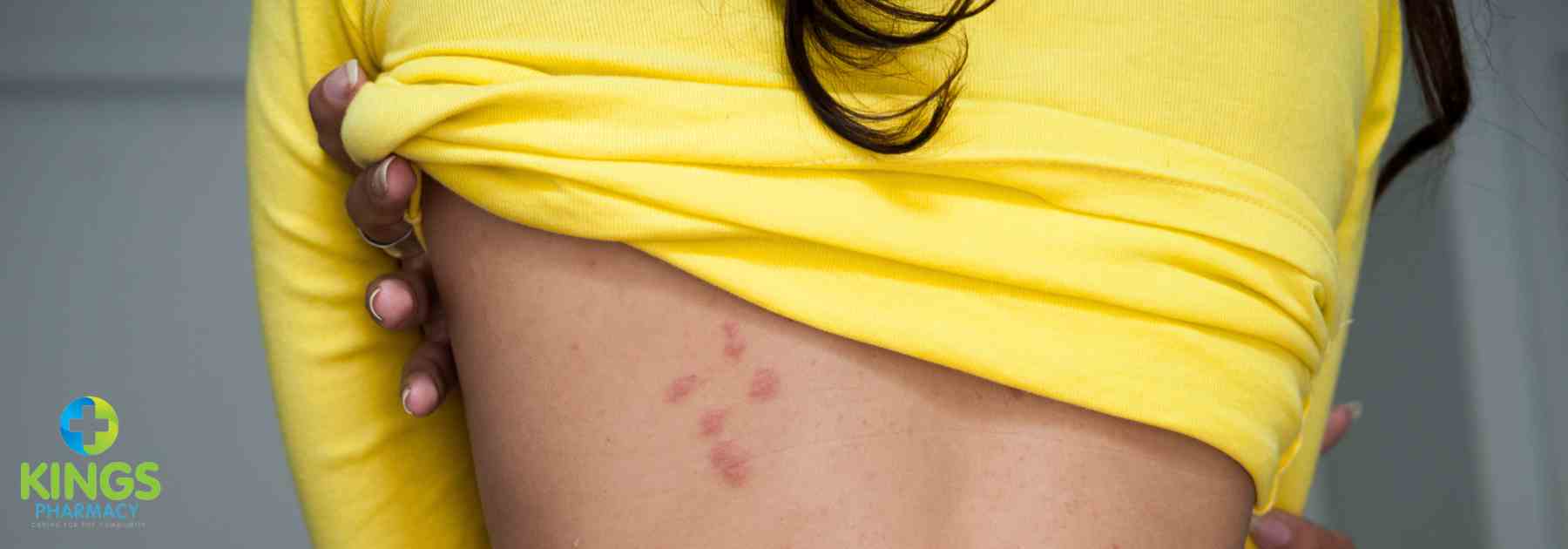
An infected insect bite occurs when bacteria enter the skin through the bite wound. While initial reactions such as redness, itching, and swelling are normal, certain signs indicate that a bite has become infected. Here are the key symptoms to watch for:
- 1
Increased Redness and SwellingIf redness and swelling around the bite area continue to worsen over time instead of improving, it may indicate infection rather than a normal reaction. - 2
Pain and WarmthInfected bites often become increasingly painful and may feel warm to the touch, indicating inflammation and possible bacterial infection. - 3
Pus or DischargeThe presence of pus or other fluid draining from the bite is a clear sign of infection and warrants prompt treatment. - 4
FeverDeveloping a fever after an insect bite can be a sign that the infection is spreading beyond the local site. - 5
Red StreaksRed streaks radiating from the bite site can indicate that the infection is spreading through the lymphatic system and requires immediate medical attention.
Common Causes of Infected Insect Bites
Infections can develop from various insect bites, including those from mosquitoes, ticks, fleas, and spiders. Factors that increase the risk of infection include:
Scratching — Scratching the bite site can break the skin further and introduce bacteria from your fingernails.
Poor Hygiene — Not keeping the bite area clean can facilitate bacterial growth and increase infection risk.
Weak Immune System — Individuals with compromised immune systems are more susceptible to infections from insect bites.
Treatment Options for Infected Insect Bites
At Kings Pharmacy, we offer comprehensive treatment options for infected insect bites under the NHS Pharmacy First Scheme. Here is a step-by-step guide on how we can help you manage and treat infected bites.
- 1
AssessmentOur trained pharmacists will assess the severity of the infection by examining the bite site and discussing your symptoms to determine the appropriate course of action. - 2
Topical TreatmentsFor mild infections, we may recommend over-the-counter antibiotic ointments or creams to eliminate bacteria and promote healing. - 3
Oral AntibioticsIn cases of more severe infections, a prescription for oral antibiotics may be necessary. Our pharmacists can provide guidance on how to take these effectively to ensure the infection is fully cleared. - 4
Pain ManagementWe may suggest over-the-counter pain relievers such as ibuprofen or paracetamol to alleviate pain and reduce inflammation around the bite site. - 5
Monitoring and Follow-upRegular follow-up ensures the infection is responding to treatment. We can schedule check-ins to monitor your progress and make any necessary adjustments to your plan.
Preventing Insect Bite Infections
Prevention is always better than cure. Here are some tips to help you avoid insect bite infections:
Use Insect Repellent — Apply insect repellent containing DEET or other effective ingredients to exposed skin when spending time outdoors, particularly at dawn and dusk.
Wear Protective Clothing — Long sleeves and pants provide a physical barrier against insect bites in areas with high insect activity.
Avoid Peak Insect Activity Times — Try to stay indoors during dawn and dusk when many insects are most active.
Keep Your Environment Clean — Remove standing water and other potential insect breeding grounds around your home to reduce local insect populations.
Cellulitis: When an Insect Bite Infection Becomes More Serious
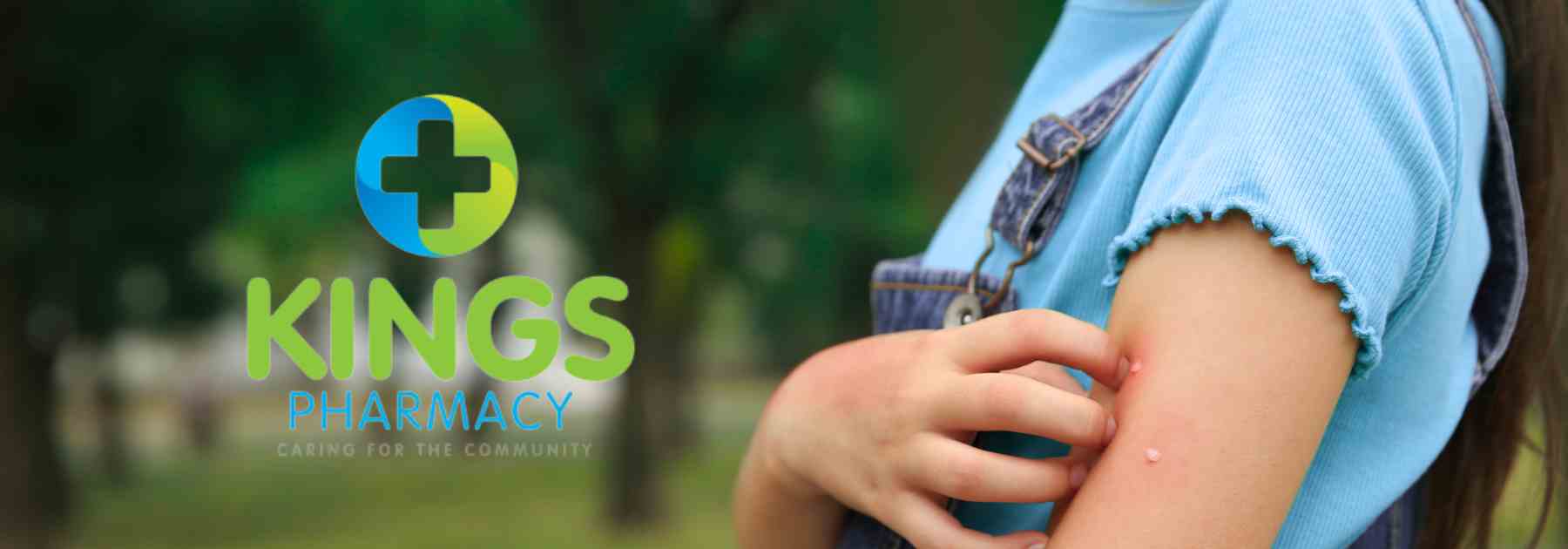
One of the more serious complications of an infected insect bite is cellulitis, a bacterial skin infection that spreads into the deeper layers of skin and tissue beneath. Cellulitis most commonly affects the lower legs but can develop anywhere on the body where there is a break in the skin, including at an insect bite site.
Symptoms of cellulitis include spreading redness that increases in size over hours or days, skin that feels warm, tight, and swollen, pain and tenderness beyond the original bite, and in more advanced cases, fever and flu-like symptoms. Red streaks extending away from the site are a sign that the infection may be spreading through the lymphatic system, which requires urgent medical attention.
Cellulitis is treated with oral antibiotics, and most cases respond well to treatment when caught early. Delaying treatment can allow the infection to spread and in some cases may require hospital admission for intravenous antibiotics. If you notice any of these signs after an insect bite, do not wait to seek help. Our pharmacists at Kings Pharmacy can assess you under the NHS Pharmacy First Scheme and prescribe antibiotics where clinically appropriate.
Tick Bites and Lyme Disease: What You Need to Know
Tick bites deserve special mention because they carry the risk of Lyme disease, a bacterial infection caused by Borrelia burgdorferi. Ticks are found in woodland, grassland, and moorland areas across the UK and are most active between spring and autumn. Lyme disease is not spread person to person and requires a tick bite to transmit.
The most recognisable early sign of Lyme disease is a circular expanding rash, sometimes described as a bullseye pattern, appearing around the bite site within three to thirty days. Not everyone develops this rash, however, and symptoms can include fatigue, fever, headache, and muscle or joint pain that may appear weeks after the bite.
If you have been bitten by a tick and are concerned, it is important to remove the tick as soon as possible using fine-tipped tweezers or a tick removal tool, grasping as close to the skin as possible and pulling steadily upward. Do not twist, squeeze, or apply heat or petroleum jelly to the tick. After removal, clean the area thoroughly and monitor for any signs of rash or illness. Contact our team at Kings Pharmacy or your GP promptly if you develop any symptoms following a tick bite.
Insect Bites From Travel: Additional Risks to Be Aware Of
For people who have recently returned from travel to tropical or subtropical regions, insect bites carry additional risks beyond simple bacterial infection. Mosquito bites in certain parts of the world can transmit malaria, dengue fever, Zika virus, and chikungunya, among others. If you develop a fever within a month of returning from a malaria-risk country, seek urgent medical attention and inform the healthcare professional that you have recently travelled.
Dengue fever should be suspected in returned travellers from tropical regions who develop a sudden high fever, severe headache, pain behind the eyes, muscle and joint pain, and a rash. There is no specific antiviral treatment for dengue, so supportive care and medical monitoring are essential.
If you are planning travel to a region with a risk of mosquito-borne illness, speak to our travel health team at Kings Pharmacy before you go. We can advise on appropriate insect repellents, protective clothing, antimalarial tablets where relevant, and any pre-travel vaccinations that may be recommended for your destination.
Kings Pharmacy in Birmingham is committed to providing excellent care and advice for all your health concerns. Our pharmacists are highly trained and experienced in managing a wide range of conditions including infected insect bites. We offer walk-in consultations without the need for an appointment, making it easy for you to get the care you need when you need it.
Through the NHS Pharmacy First Scheme, we can provide treatment for minor conditions including infected insect bites free of charge to eligible patients. Beyond treating infections, we provide advice on prevention and general wellbeing so you have the knowledge to protect yourself from future bites.
Get Treatment for Infected Insect Bites Today
Infected insect bites can be uncomfortable and sometimes serious, but with the right treatment and care, recovery is straightforward. Kings Pharmacy in Birmingham is here to help you through every step, from assessment to treatment and follow-up. Do not let an infected insect bite disrupt your life. Visit Kings Pharmacy for expert advice and treatment.
Frequently Asked Questions About Infected Insect Bites
How do I know if my insect bite is infected or just a normal reaction?
A normal insect bite reaction typically peaks within a few hours and gradually improves over one to two days. An infected bite gets worse over time rather than better. Signs of infection include increasing redness, swelling, warmth, pain, and the appearance of pus or discharge. If the area around the bite is visibly expanding, hardening, or if red streaks are developing, seek treatment promptly at Kings Pharmacy or your GP.
Can I treat an infected insect bite at home?
Mild infections can sometimes be managed at home by keeping the area clean, applying an antiseptic, and taking over-the-counter antihistamines or pain relief. However, if there is no clear improvement within 24 to 48 hours, or if symptoms are worsening, you should seek professional assessment. Infections that are left untreated can spread and become more serious. Kings Pharmacy can assess and treat you without needing a GP appointment.
Do I need antibiotics for an infected insect bite?
Not all infected insect bites require antibiotics. Mild infections may resolve with topical antiseptic treatment and good wound care. Antibiotics are generally recommended when there is significant spreading redness, pus, fever, or red streaks, which suggest a more serious bacterial infection such as cellulitis. Our pharmacists will assess your bite and advise on whether antibiotics are appropriate through the NHS Pharmacy First Scheme.
When should I go to A&E for an insect bite?
You should go to A&E immediately if you experience signs of a severe allergic reaction such as difficulty breathing, swelling of the throat or tongue, rapid heartbeat, or loss of consciousness. You should also seek urgent care if red streaks are spreading rapidly from the bite, if you develop a high fever alongside the bite, or if you have a weakened immune system and the infection is worsening quickly. For less urgent concerns, Kings Pharmacy can provide same-day assessment.
Is infected insect bite treatment free at Kings Pharmacy?
Yes, for eligible patients. Through the NHS Pharmacy First Scheme, Kings Pharmacy can provide assessment and treatment for infected insect bites free of charge to eligible patients in Birmingham. There is no need for a GP referral or prior appointment. Simply visit us and one of our pharmacists will assess your bite and recommend the most appropriate treatment.
Insect Bite Safety for Families and Children
Children are particularly vulnerable to insect bites because they tend to spend more time outdoors, are less likely to avoid areas of insect activity, and may scratch bites more vigorously than adults. Parents should be especially vigilant for signs of infection in children, as infections can spread more quickly in younger patients and symptoms such as fever may escalate faster.
For children, antihistamine tablets or liquids can help reduce itching and discourage scratching. Keeping nails short and clean reduces the risk of bacteria being introduced into the bite site. Loose, light-coloured clothing that covers the arms and legs when in areas with high insect activity provides good protection. Apply insect repellent products that are suitable for the child’s age, as some DEET-based products are not appropriate for very young children.
If your child develops a bite that shows signs of infection, particularly a spreading rash, fever, or pus, bring them to Kings Pharmacy for an assessment. Our pharmacists are experienced in treating children through the NHS Pharmacy First Scheme and will advise on the safest and most appropriate treatment for their age and weight.